Emergency triage
- How far the water has spread
- Whether the shut-off is accessible and safe to reach
- Gas or electric heater type
- Home type — site-built, manufactured, or park model
Emergency triage
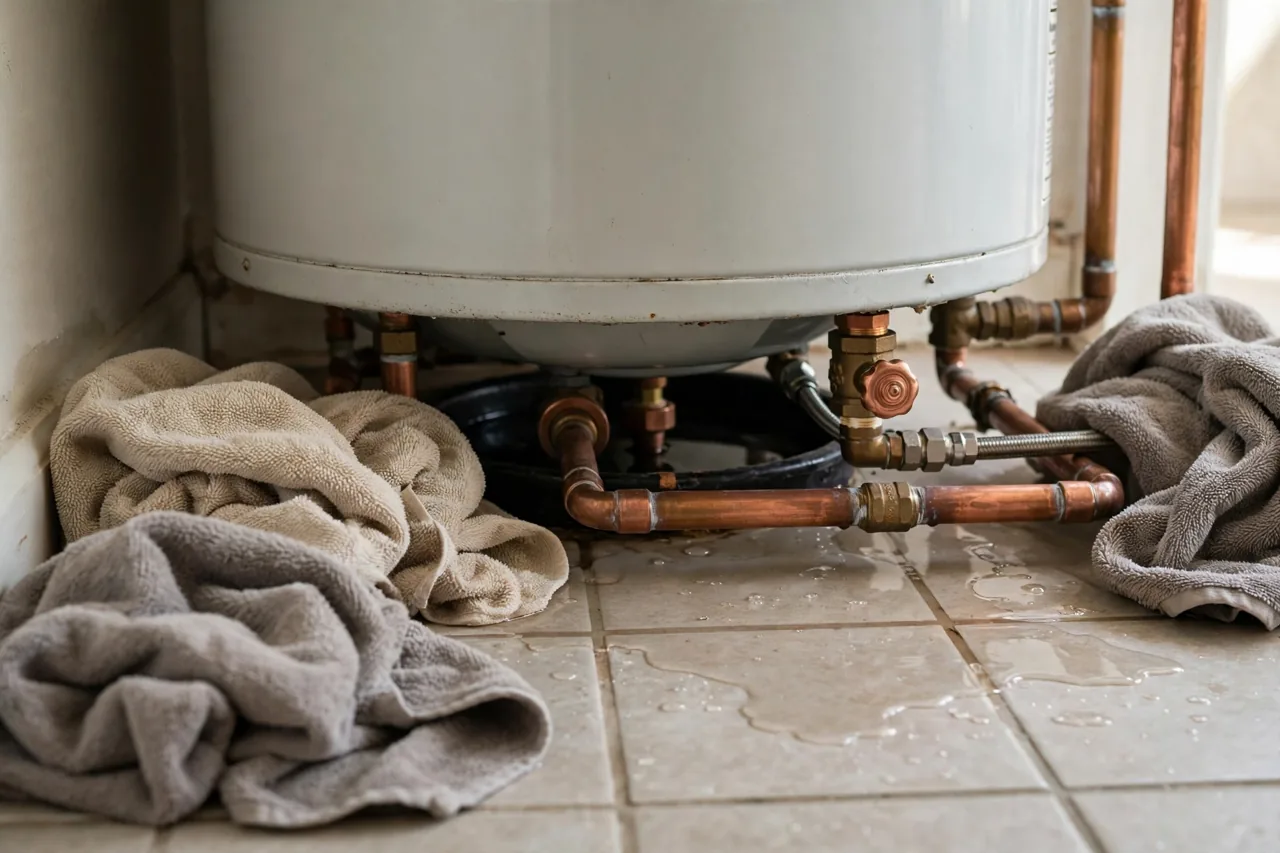
If water is spreading, the first job is to limit damage, not to diagnose the heater. Move items off the floor, shut the water off only if you can reach the shut-off safely, and call us.
Call (480) 555-0147Find the leak first
This panel does not send a message — there is no form backend yet. Use it to organise your notes, then call to schedule your service.
Call to schedule: (480) 555-0147
When you call, tell us: where water first appears, how fast it is spreading, whether it is hot, gas or electric, and your home type.
Home › Emergency Water Heater Leak Repair in Apache Junction, AZ
Triage in order
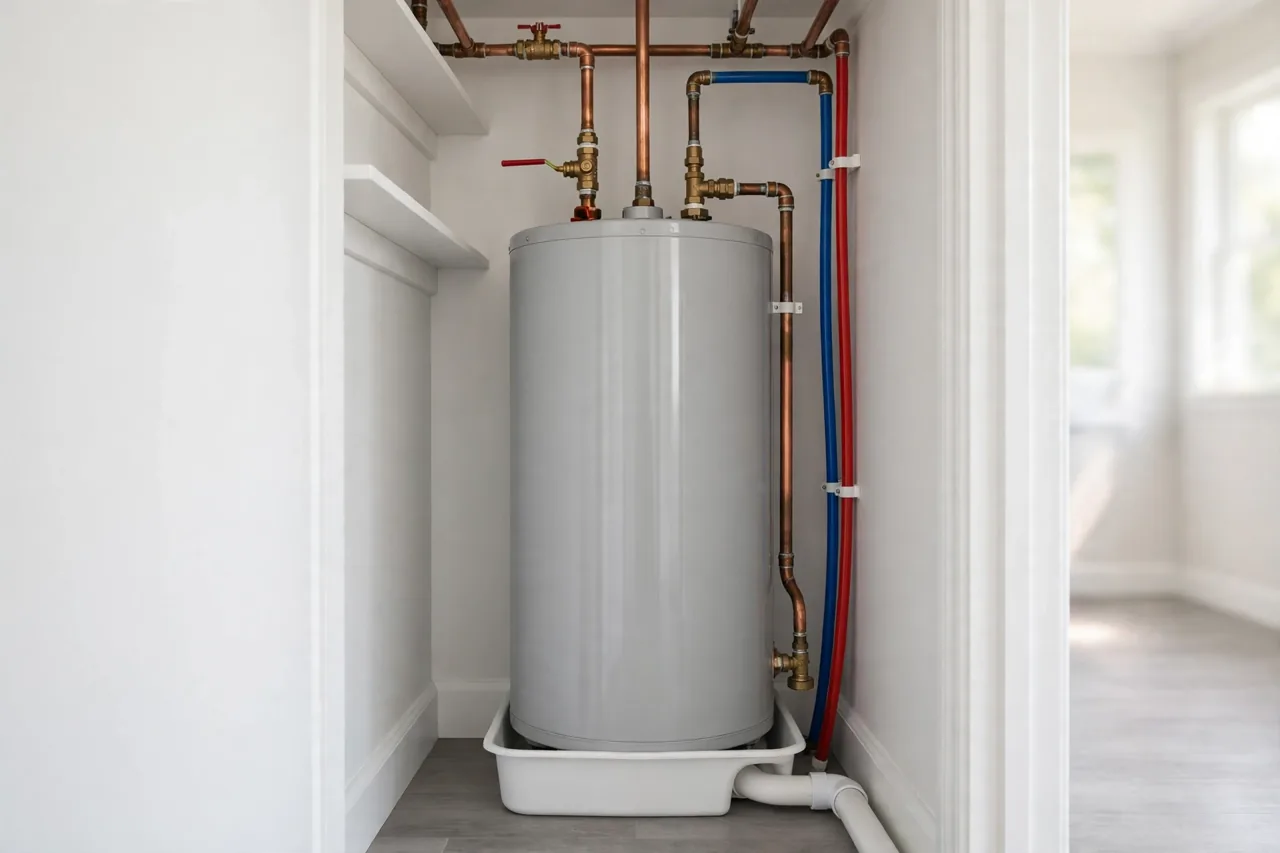
An emergency leak is defined by what the water is doing, not by the heater's age. Pooling water, water reaching flooring or walls, water near electrical parts, or a leak you cannot contain is urgent. A slow drip you can contain and monitor still deserves a call, but the triage order below is written for the spreading case.
Work through it in order. Do not start with the heater's controls if the floor is already wet around gas or electrical parts — step back, protect people and belongings first, and call us.
What to do now
On a gas heater, the gas control valve and burner area are at the base of the heater, where pooling water collects first. On an electric heater, element covers and wiring are on the side of the tank. In both cases, standing water and heater controls are a combination to keep clear of, not to work through. If you smell gas, leave the area and follow your gas provider's guidance rather than investigating the heater.
We do not give step-by-step gas or electrical instructions on this site. Diagnosis of pilot problems is covered separately, without a relight sequence, on the principle that a pilot that will not stay lit, or a heater with a gas smell, needs an in-person check.
Stopping the water is the first step, not the end of the job. Flooring, drywall at the base of a wall, stored items, and the area under a manufactured home can hold moisture after the visible pool is gone. A heater that has sat in water, or a tank with wet insulation, needs assessment before it is simply put back into service. That assessment is part of the visit, and it is why we ask about how far the water spread, not only where it started.
For seasonal homes, the return visit is a common emergency pattern: a leak that started during an absence is found on return, and the water has had time to spread. If you return to a wet area around the heater, treat it as urgent even if the pool looks small — the duration matters as much as the size.
How service works
The visit follows the diagnosis order, then a clear discussion of repair or replacement — decided by you, not by pressure in the middle of a wet floor.
Diagnosis in order, using the diagnosis hub — fittings, valves, gaskets, then tank body and seam.
Using the factors on the repair-versus-replacement page: leak location, heater age, and home type.
If the tank has failed at the seam or body, the conversation moves to replacement and its scope factors.
Contact us to schedule your service, with the scope confirmed before work starts.
Emergency vs monitor-and-call
Call now and treat as urgent: pooling or spreading water, water reaching flooring or walls, water near electrical parts, a leak you cannot contain, or a leak found on return to a seasonal home after an absence.
Still call, but the triage is different: a slow drip you can contain and monitor, an intermittent valve drip, or dampness that returns in the same pattern after drying. Valve and fitting leaks can worsen, and intermittent leaks can hide water inside the heater jacket or under flooring — so a contained drip is not a reason to ignore it.
The visit follows the diagnosis order on our diagnosis hub: confirm the source, then discuss repair or replacement with you, using the factors on our repair-versus-replacement page. If the tank has failed at the seam or body, the conversation moves to replacement and the scope factors on our cost factors page. You decide from clear options, not from pressure in the middle of a wet floor.
How pricing works
No price is listed here because the scope depends on the leak location, heater, and home. Call for a written quote after diagnosis.
Problems we solve
Confirm the source first — a top leak running down the tank can look like a bottom leak.
A safety device discharging water — never cap or block its discharge pipe.
A common part leak that can be mistaken for tank failure.
Inlet and outlet connections that drip, corrode, or run down the tank side.
If you can reach your shut-off safely and know how it works, yes — shutting the water off limits damage. If the shut-off is under the home, in a tight closet, or past standing water or electrical parts, leave it and call us first.
A slow drip you can contain is less urgent than spreading water, but it still deserves a call. Valve and fitting leaks can worsen, and intermittent leaks can hide water inside the heater jacket or under flooring.
If water is pooling, or if the leak is at the tank body or seam, continued use risks more damage. If the leak is a contained drip at a fitting and you are unsure, call us before deciding — the location determines the answer.
Where the water first appeared, how fast it is spreading, whether it is hot, whether the heater is gas or electric, and whether the home is site-built, manufactured, or a park model. That lets us plan the visit and talk through the next step clearly.

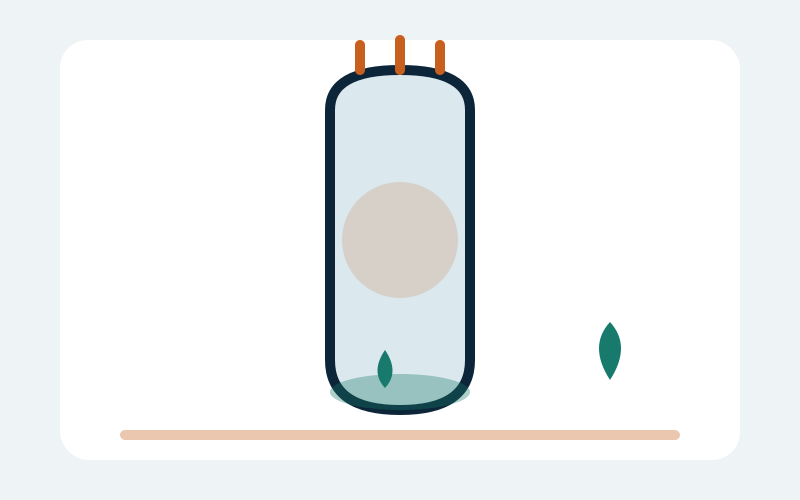
What a bottom leak usually means — and what to confirm first.
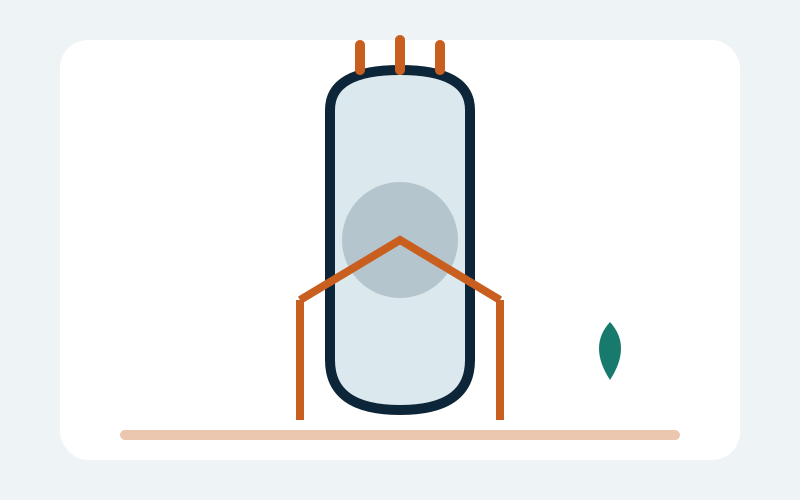
When repair is no longer sensible, what replacement involves.
Never cap or block a TPR valve discharge pipe.
Apache Junction Water Heater Pros
279 N Ironwood Dr #106
Apache Junction, AZ 85120
(480) 555-0147
Contact us to schedule your service.
Tell us where the water first appears, how fast it is spreading, and whether it is hot. We provide water heater leak repair and replacement in Apache Junction, AZ.